

Is a Nile River Cruise Worth It? Everything You Need to Know
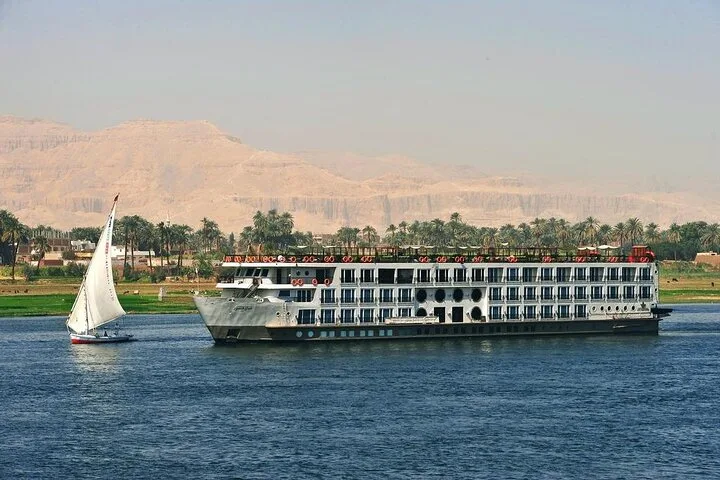
Planning an Egyptian vacation? Here is everything you need to know before booking a Nile River cruise, from Luxor to Aswan, Dahabiyas, and itinerary options.
When planning a trip to Egypt, one question always comes up: Should I book a Nile River cruise, or should I travel by land?
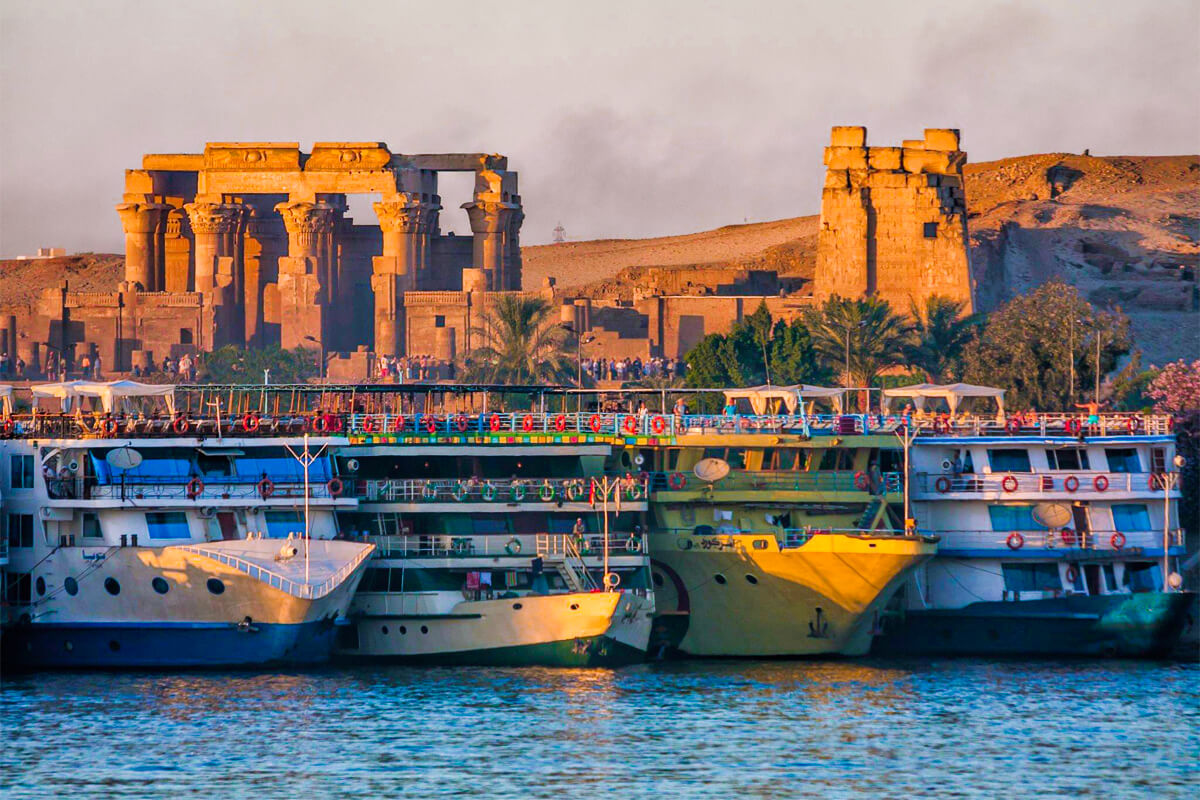
For decades, cruising the Nile has been the quintessential Egyptian travel experience. Drifting along the same waters that the pharaohs used, watching rural Egyptian life pass by on the banks, and waking up right outside ancient temples is undeniably romantic.
But is it worth your money and time? This guide breaks down the pros, the cons, and the logistics to help you make the right choice.
Is a Nile Cruise Actually Worth It?
The short answer is yes. A Nile cruise is the most efficient, relaxing, and scenic way to experience Upper Egypt (the southern region containing Luxor and Aswan).
Instead of dealing with multiple train bookings, packing and unpacking your bags, or spending hours in minivans on desert highways, your cruise ship acts as a floating boutique hotel. You travel while you sleep, eat, or lounge on the sundeck.
Large Cruise Ships vs. Traditional Dahabiyas
Not all Nile cruises are created equal. You generally have two main choices: a standard large cruise ship or a traditional sailing Dahabiya.
| Feature | Standard Cruise Ship | Traditional Dahabiya |
| Size & Capacity | Large (50–150 passengers) | Small (8–20 passengers) |
| Propulsion | Large diesel engines | Primarily wind sails / small tug |
| Atmosphere | Lively, resort-style, buffet dining | Intimate, private, gourmet meals |
| Docking Access | Main ports only (crowded) | Can dock at small islands and quiet ruins |
Why Choose a Large Cruise Ship?
Large ships offer predictable comfort. They feature amenities like swimming pools, onboard gift shops, nightly entertainment (like belly dancing or Nubian shows), and extensive buffet-style dining. They are generally more budget-friendly and offer a classic resort feel.
Why Choose a Dahabiya?
If you want an exclusive, slow-travel experience, a Dahabiya is unmatched. These elegant, two-masted sailing vessels replicate how wealthy travelers explored the Nile in the 19th century. Because they are small, they can dock at lesser-known archaeological sites like the ancient quarries of Gebel el-Silsila, which large ships completely bypass.
Luxor to Aswan vs. Aswan to Luxor: Which Route is Better?
Cruises sail between the two main hubs of Upper Egypt. The choice of direction impacts your pacing:
- Luxor to Aswan (usually 4 Nights): Sailing south against the current takes a bit longer, giving you more downtime on the river to relax. It builds up beautifully, saving the dramatic scenery of Aswan and Abu Simbel for the grand finale.
- Aswan to Luxor (usually 3 Nights): Sailing north with the river current is faster. It is ideal for travelers who are short on time but still want the full cruise experience.
Regardless of direction, both routes stop at the essential riverside monuments: Edfu (The Temple of Horus) and Kom Ombo (The Temple of the Crocodile God, Sobek).
Top Tips for Booking and Enjoying Your Cruise
To make sure your cruise goes smoothly, keep these insider tips in mind:
- Check What’s Included: Most cruises are sold on a “Full Board” basis, meaning breakfast, lunch, and dinner are included. However, drinks (including bottled water, soda, and alcohol) are almost always an extra charge billed at checkout.
- Confirm Your Guide Status: Some bookings include a licensed Egyptologist guide who travels on the boat with you and leads shore excursions. Others require you to book excursions separately. Having a dedicated guide makes an incredible difference in understanding the history.
- Pack for the Breeze: While daytime temperatures on the Nile can be scorching, the river breeze makes the top deck surprisingly chilly in the early mornings and late evenings. Bring a light jacket or cardigan for sunset viewing.