
What to Wear in Egypt: The Complete Packing List

Wondering what to wear in Egypt? Read our complete packing list for men and women, including cultural dress codes, best fabrics for the heat, and shoe recommendations.
Packing for Egypt requires a balancing act. You have to manage intense desert heat while respecting the local, conservative culture. Whether you are climbing inside a pyramid in Giza, walking through the temples of Luxor, or relaxing on a Nile cruise deck, what you wear directly impacts your comfort and your experience.
This guide breaks down the Egyptian dress code, essential fabrics, and exactly what to pack to look stylish, stay cool, and show cultural respect.
Understanding the Egyptian Dress Code
Egypt is a predominantly conservative Muslim country. While there is no official law forcing tourists to dress a specific way, dressing modestly is a sign of respect that locals deeply appreciate. It also significantly reduces unwanted attention.
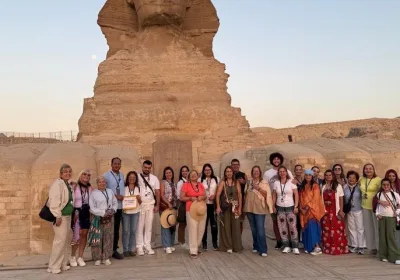
The general rule of thumb for both men and women is to keep your shoulders and knees covered when exploring cities, temples, and historic sites.
Mosques vs. Temples vs. Beach Resorts
The dress code varies wildly depending on where you are standing:
| Location | Dress Code Strictness | What to Wear |
| Mosques | Very Strict | Long sleeves, long pants/skirts, headscarf for women. Shoes off. |
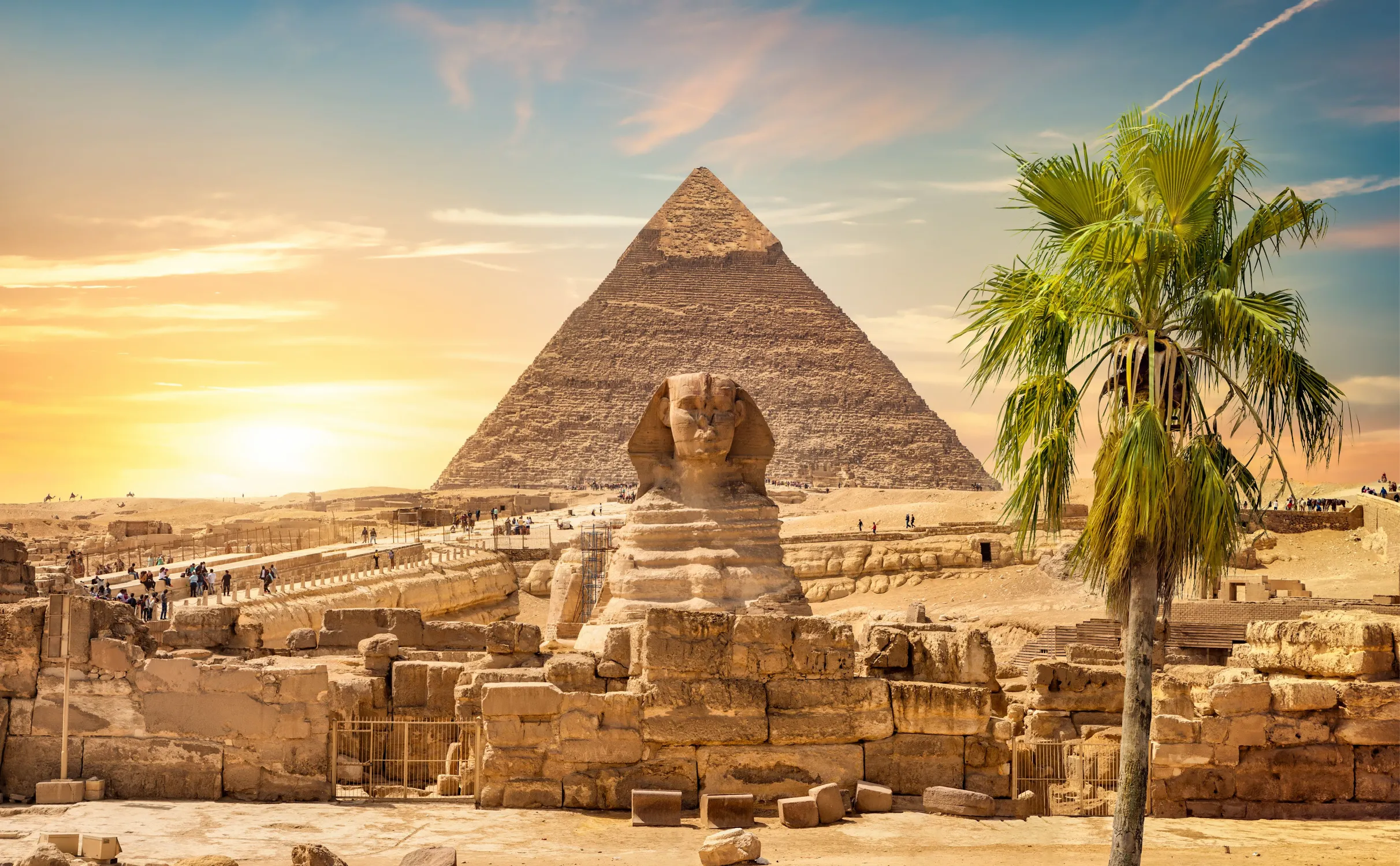
| Ancient Temples | Moderate | Breathable, modest clothing. Shoulders and knees covered. |
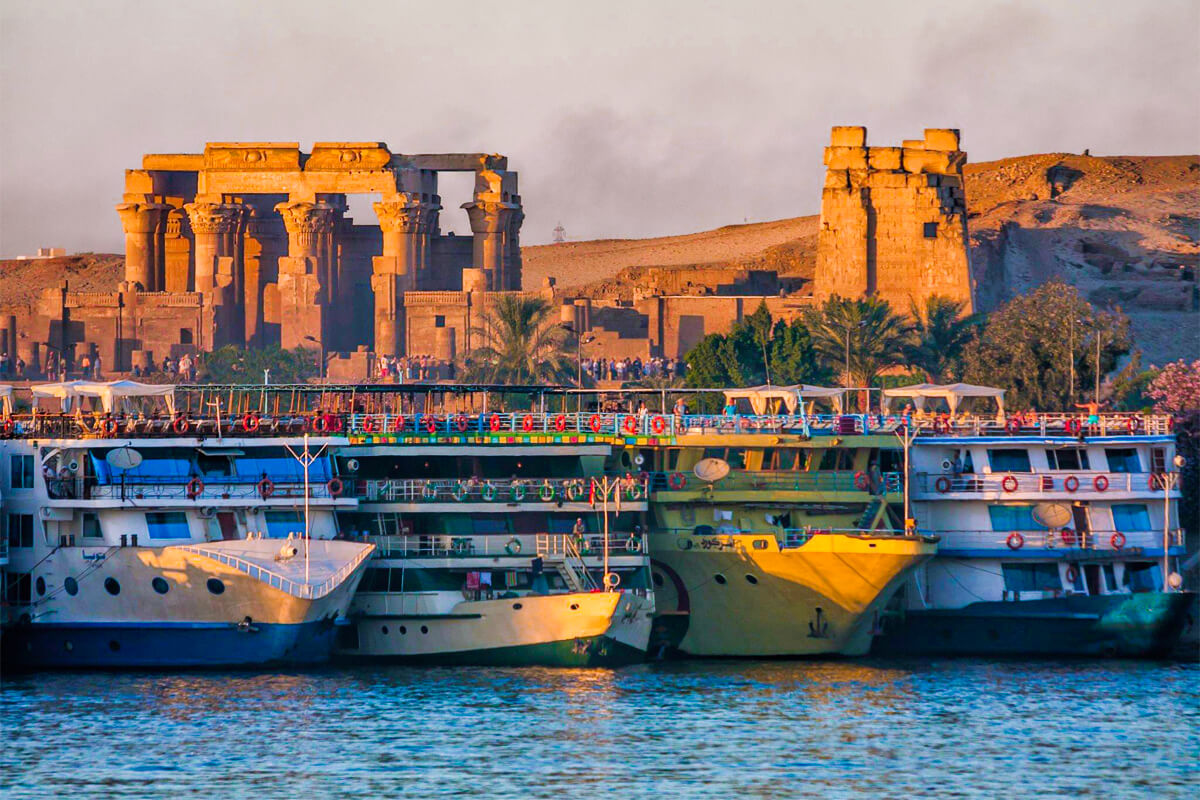
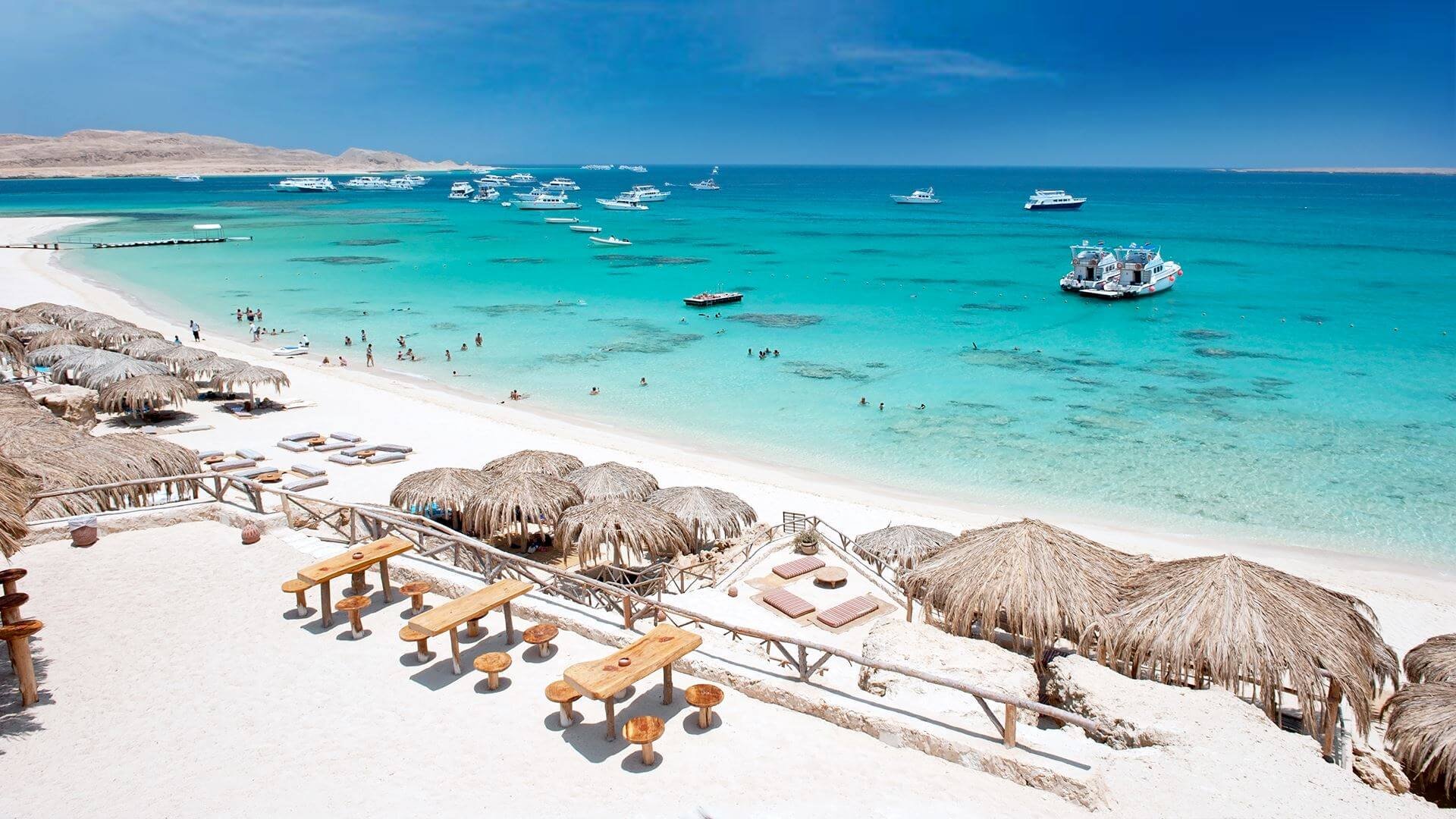
| Nile Cruises & Resorts | Relaxed | Swimwear, shorts, and tank tops are completely acceptable. |
What Should Female Tourists Wear in Egypt?
Loose, flowing clothing is your best friend. It keeps you cool by allowing air to circulate while providing full coverage from both the sun and cultural scrutiny.
- Maxi Dresses and Skirts: These are perfect for temple hopping. They look great in photos and keep you completely covered.
- Linen Pants and Culottes: Lightweight linen or cotton trousers are a staple. Avoid tight jeans, which trap heat and stick to your skin.
- Modest Tops: T-shirts, loose blouses, and button-down shirts are ideal. Avoid low-cut tops, spaghetti straps, or crop tops when visiting historical sites.
- The Essential Kimono or Scarf: Always carry a lightweight scarf or pashmina in your day bag. You can use it to cover your shoulders if you wear a tank top, shield your head from the sun, or wrap around your head when entering a mosque.
What Should Men Wear in Egypt?
Men have it a bit easier, but there are still cultural nuances to keep in mind.
- Pants vs. Shorts: While Egyptian men rarely wear shorts in public outside of coastal resort towns, it is acceptable for male tourists to wear shorts at historical sites. However, aim for knee-length tailored shorts rather than short athletic shorts.
- Shirts: T-shirts, polo shirts, and short-sleeve button-downs are perfect. Avoid walking around shirtless anywhere outside of your hotel pool or the cruise sundeck.
Best Fabrics for the Egyptian Heat
The material of your clothing matters just as much as the style. Look for natural fibers that breathe:
- Linen: The ultimate fabric for Egypt. It is light, dries quickly, and keeps you remarkably cool. Don’t worry about the wrinkles; everyone wears wrinkled linen in the desert.
- 100% Cotton: Breathable and absorbs moisture well.
- Rayon/Viscose: Lightweight and flows beautifully, making it great for loose dresses.
- Avoid Synthetics: Steer clear of polyester and nylon, which trap heat and sweat, leading to an uncomfortable day under the sun.
Essential Footwear for Exploring Temples
You will easily walk 10,000 to 15,000 steps a day on uneven ground, gravel, and sand. Leaving your flimsy flip-flops for the pool area is essential.
- Closed-Toe Walking Shoes: A breathable sneaker or lightweight slip-on is perfect for protecting your feet from dust, hot sand, and rough temple floors.
- Supportive Sandals: If you prefer sandals, choose a sturdy, strapped hiking brand (like Teva or Birkenstock) with good arch support.
- Socks: Bring a pair of socks in your day pack. When entering mosques, you must remove your shoes, and the stone floors can get incredibly hot or cold depending on the season.